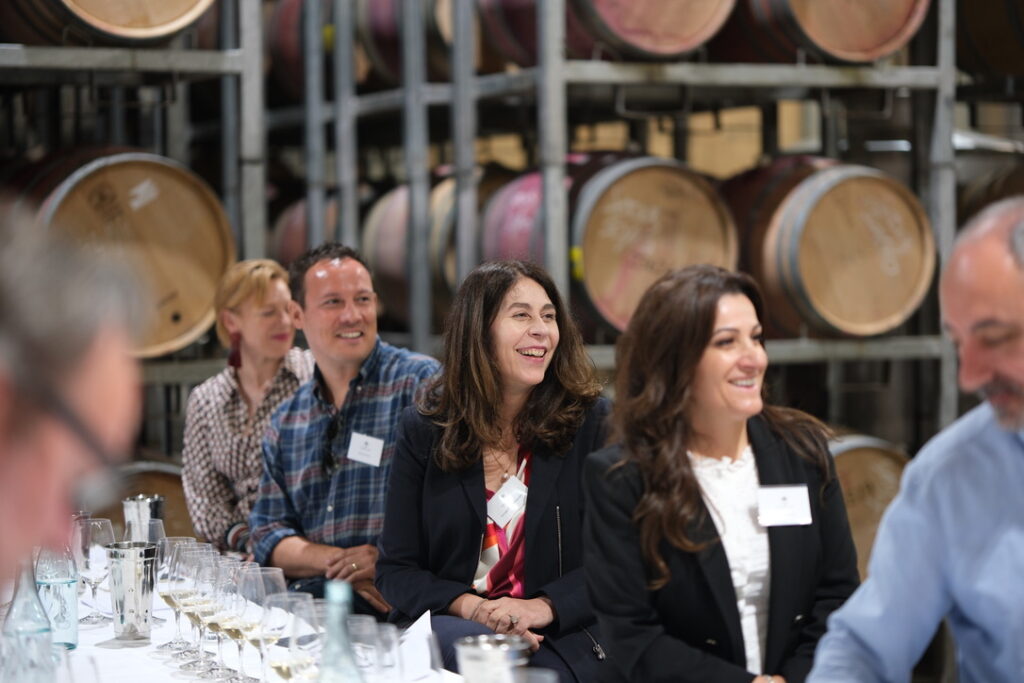
Howard Park Global Sparkling Tasting
Held: 20 November 2025
In November 2025, Howard Park hosted a global sparkling wine tasting that went well beyond a simple comparison of great Champagne. Curated by Chief Winemaker Nick Bowen, the tasting was designed to explore how place, style, winemaking decisions and time shape the world’s finest sparkling wines.
Over the course of 2025, I was fortunate to taste many exceptional wines, both in formal settings and shared with friends around the dinning table. Looking back, the Howard Park Global Sparkling Tasting stands out as the most thoughtfully conceived and intellectually rewarding tasting of the year.
Rather than simply assembling famous bottles, the tasting invited comparison and contrast across styles, countries, winemaking techniques and vintages. The result was a rare opportunity to understand not only which wines impressed most, but also why.
Tasting Structure
The tasting was divided into four brackets, each with a clear thematic focus:
- Contrast of Predominant Styles
- Multi-Vintage and Non-Vintage
- Vintage
- Prestige
Bracket One: Contrast of Predominant Styles
A study in how regional expression and winemaking philosophy influence the character of sparkling wine.
Roederer Estate – Brut – NV (USA). I really like this. It does not have the most generous nose, but the palate is precise and poised, with ripe fruit and pristine acidity acting as a flavour enhancer. It feels like a Pinot-dominant blend, with subtle autolytic characters adding depth and texture. A feature was the excellent length and mouthfeel.
Anderson Valley, California. 60% Chardonnay, 40% Pinot Noir. 10–15% reserve wines aged in older oak barrels. No malolactic fermentation. 24 months on lees. 8g/L dosage. 95 pts.
Palmer & Co – Brut La Réserve (France). Here the winemaking takes a very different direction, with extended lees ageing (4 years) and higher reserve wine use (36%) from 2016–19. This wine did not really work for me. Perhaps the bottle?
Ruinart – Brut (France). A bit of a Goldilocks wine – just right. The finish is where this wine excels, with fine acidity and gentle minerality combining with supple autolytic characters to make for a great drink. Not challenging or idiosyncratic, and all the better for it. 93–94 pts.
DAOSA – Natural Reserve (Australia). A wine that really surprised me. First and foremost, it is a joy to drink. It opens with crunchy green apple, great acidity and an almost cider-like flavour profile. But this is also serious and very worthwhile, with depth, intensity and excellent length and persistence of flavours. The mouthfeel is a highlight. A different style that provides excellent drinking – and with a retail price around $50, an absolute bargain.
Piccadilly Valley, Adelaide Hills. Predominantly 2022 vintage. 32 months on lees. 6g/L dosage. Malolactic fermentation, barrel ageing and 15% reserve wine. 93 pts.
Deviation Road – Southcote Blanc de Noirs – 2022 (Australia). Restrained and taut, this is a fine wine. The flavours and aromas are muted up front but slowly evolve in the glass and in the mouth. A delicate wine that is very fine indeed. Gentle stonefruit characters emerge and the wine builds power and intensity as it warms. Superb wine – the persistence of flavours is outstanding.
Adelaide Hills. 100% Pinot Noir. 36 months on lees. 4g/L dosage (extra brut). 95 pts.
Clover Hill – Noir en Bois – NV (Australia). Broader and lacking the focus of the previous wine, with more power but not quite the same finesse and life. That said, this is being quite harsh, as it is a very good wine in its own right, with apple-like acidity that would be best enjoyed with food. Vinified and aged in oak, it gets better as it warms, with lots of savoury, umami characters building.
Pipers River, Tasmania. 75% Pinot Noir, 19% Chardonnay, 6% Pinot Meunier. 15 months on lees. 3.9g/L dosage. A small portion aged in older oak. 92 pts.
Bracket Two: Multi-Vintage and Non-Vintage
Winston Estate – Blanc de Blancs – NV (England). A great start to the bracket. A fine, restrained, elegant wine with gentle fruit notes to the fore on the nose. The palate is taut, but in no way austere – rather, it presents as focused and elegant. Certainly a great aperitif style and a lovely drink in general.
West Sussex. 100% Chardonnay. 3–4 years on lees. 9g/L dosage. Approximately a quarter of the wine is made up of reserve wines dating back to 2009. 94 pts.
Baron B – Heritage E004 – NV (Argentina). Another fine, elegant wine, but here there is a touch more toast and complexity, suggesting the inclusion of a significant amount of reserve wines. This does not make it better per se, but it certainly is more impactful. It is also, however, a tad broader and lacks the focus of the Winston Estate. There are lovely lemony tones, and as it warms up, this gets so much better.
Uco Valley, Mendoza. Multi-vintage blend of 2016, 2017, 2018 and 2019. A minimum of three years on lees. Extra brut (dosage less than 5g/L). 92 pts.
Ca’del Bosco – Cuvée Prestige Edizione 47 (Italy). An excellent wine. Here there is more richness and autolytic character, perhaps as a result of more reserve material or time on cork. Yet there is refreshing acidity that provides focus and drive on the palate. There is a degree of fleshiness to the stonefruit characters which adds to the appeal – a lovely wine where gentle reductive notes add impact. Phenolics are balanced by the residual sugar.
Franciacorta, Lombardy. Predominantly Chardonnay (75%). Base wine predominantly 2022, with 18% from 2021 and the remainder from 2020. Dosage a low 2.5g/L, perfectly judged, allowing the purity of fruit to shine through. 95 pts.
Colmant – Brut Reserve – NV (South Africa). A superb wine and my pick of the bracket. Here, texture, flavours and acidity combine in a way that amplifies the goodness. Yes, it is fine and elegant, but there is great depth and subtle power on show. And the mouthfeel is the best of the tasting so far, with the creamy notes lingering for an age. I was surprised that this was not popular with the expert panel, but I don’t care – I loved it.
Western Cape. 50/50 blend of Chardonnay and Pinot Noir. 30 months on lees. 6g/L dosage. 10% of the blend aged in oak, with 20% reserve material. 96 pts.
Arras – Brut Elite Rosé Cuvée 1801 (Australia). The palest coppery tinge to the colour is suggestive of rosé. Oh, but this is good. Whilst fairly neutral up front, there is a presence in the mouth that screams quality. The intrinsic power is a joy to behold, with brioche and autolytic characters on show, along with a saline tang that really adds to the package. A bigger, richer style that would easily accompany richer food. The chewy texture on the close is a treat.
Pinot-dominant blend. 100% malolactic fermentation. Predominantly 2018 vintage. Labelled as 48 months on lees, though given the wine’s age it has likely spent at least five years on lees. 95 pts.
Champagne Geoffrey – Rosé de Saignée, Cuméres – Premier Cru (France). The colour here is a touch confronting – a rather intense ruby red. And the aromas and flavours are robust to match. But it works. Red fruits to the fore, with good texture and mouthfeel. Not typical, but enjoyable. 92 pts.
100% Pinot Noir. 56 months on lees. 4g/L dosage. Made using the saignée method, with the fruit undergoing cold maceration for 72 hours prior to pressing.
Bracket Three: Vintage
Vilaura – Marlborough Blanc de Blancs 2020 (New Zealand). My first thought was: wow, there is a step up in power here. The intensity of the fruit and acidity is quite remarkable, delivering spine-tingling goodness with every sip. The acidity is intense, yet incredibly fine, allowing the fruit to shine while also contributing life and energy. Sparkling wine should be a mouthful of joy, and this fits the bill perfectly. There is a touch of ocean spray on the finish that adds to the package. This really highlighted the benefits of tasting blind – I, for one, thought this was a premium Champagne.
100% clone UCD6 Chardonnay. 36 months on lees. 2g/L dosage. A multi trophy-winning wine. 96 pts.
Chant d’Éole – Cuvée Reserve 2019 (Belgium). One of the wines of the tasting and the biggest surprise for me when it was unveiled. This was my first Belgian sparkling wine and it was quite stunning. The complex autolytic characters have been turned up here, with brioche, bread dough and nougat flooding the senses. Sitting behind this is very fine fruit and thrilling acidity, making for an impactful, intense, powerful, wonderful wine. A joy to drink and, given the intensity, a wine worthy of food.
Blanc de blancs with 2% Pinot Blanc included with the Chardonnay. 48 months on lees. 6g/L dosage. Established in 2010, the winery now has 490,000 vines planted across 54 hectares. 97 pts.
Frank Bonville – Pur Oger Blanc de Blancs 2018 (France). Typical of the house style, this is finer, more elegant and more restrained than the other wines in this bracket. At first glance it seems to lack the presence of wines like the Chant d’Éole, but that is a function of style rather than quality. All that is required is time – to allow the wine to relax and express itself fully. With air, the stonefruit characters build and the latent power becomes more palpable.
100% Chardonnay. 60 months on lees. 4.2g/L dosage. Malolactic fermentation. Interestingly, the wine was matured in cellar under natural cork, rather than the crown seal ubiquitous across the world for initial maturation prior to disgorgement. 94 pts.
Sugrue – South Downs – The Trouble With Dreams 2020 (England). The all-rounder of the tasting – a deliciously versatile wine that would work well on most occasions. Creamy, textured and rich, yet fine-boned and restrained, with the textural components and fruit equally important. It is on the finish where this shines, with the autolytic components building over time and balanced by zesty acidity. I love it.
60% Chardonnay, 40% Pinot Noir. 40 months on lees. 6g/L dosage. Half the blend matured in barrel, the rest in stainless steel. No malolactic fermentation. 96 pts.
Villiera – Monro Brut 2019 (South Africa). A touch unusual, with the reductive, sulphide characters making this a touch hard at first. But as it warms up it really builds, making for an interesting, idiosyncratic drink. There are others that I prefer, though.
60/40 blend of Chardonnay and Pinot Noir. Part of the Chardonnay fermented in oak barrels, part in amphora. 91 pts.
Howard Park – Jeté Grand Vintage 2017 (Australia). Even more unusual. Powerful, impactful and intense, this is a sensory treat. It is so impressive – that power is harnessed by fine acidity and supple texture, making a great drink. But it is not for the faint-hearted, as this is an immensely powerful wine that needs to be sipped and contemplated rather than quaffed. The length and persistence of flavours are the equal of anything tasted to this point. Serve quite chilled.
Served from magnum. 58% Chardonnay with Pinot Noir. Fermented in a combination of older oak and stainless steel. 99 months on lees. 3g/L dosage. 96 pts.
Bracket Four: Prestige
Chapel Down – Kit’s Coty, Coeur de Cuvée 2016 (England). Wow. The way this builds is just outstanding. It is subtle and refined, yet there is great intensity and a nervous energy that is quite captivating. Pristine, precise, focused. Tremendous length and persistence of flavours. This can be enjoyed now as the perfect start to an evening, or cellared for five years and sipped and savoured.
100% Chardonnay. Kit’s Coty is the estate’s prestige vineyard, and Coeur de Cuvée refers to the use of only the best part of the first pressing. Base wine aged for seven months in older French oak. A minimum of five years on lees. 6g/L dosage. 96.5 pts.
Pierre Peters – Cuvée Spéciale, Les Montjolys Blanc de Blancs 2017 (France). Richer, but no less compelling than the Kit’s Coty. Opens with stonefruit, lemon and chalky minerality, all supported by supple, texturing phenolics. It was the way that the mid-palate transformed in the mouth that really set this apart. The fruit was quite muted on the first sip, but then, remarkably, it built depth and power starting at the back of the palate and flowing back to front across the tongue. An amazing wine that needs a few years. A wine of great presence – quite magnificent. A few years in the cellar will only help.
Single vineyard, Le Mesnil-sur-Oger. 100% Chardonnay. Partial malolactic fermentation. 3.5g/L dosage. 97 pts.
Roederer Estate – L’Ermitage Brut 2019 (USA). When too much goodness is never enough. This is a spectacular wine that matches intensity with poise and balance. On the front palate it is richer and more intense than the Pierre Peters, but it is on the finish where this separates itself from the pack. A stunning wine of the highest quality.
52% Chardonnay blended with Pinot Noir. Fermentation in oak. Malolactic fermentation. 6g/L dosage. 97 pts.
Pirie – Late Disgorged 2011 (Australia). Incredibly intense – if anything, just a bit too much for me right now. This is powerful and impactful, the spectacular fruit balanced by minerality and acidity. There is so much of everything, but nothing is overblown. The yeasty autolytic characters are a feature but do not dominate. The citrus and peach characters from the fruit are intense and powerful. A great wine on the world stage. And the fact that this wine is available for $145 from the winery makes it an absolute bargain.
10 years on lees. 20% of the base wine fermented in old French oak. 98 pts.
Enrico Serafino – Zero 140, Alta Langa DOCG Riserva 2011 (Italy). Compared to the Pirie, this brings everything down a notch, trading overt power for a touch more subtlety. But only a touch – this is a powerhouse of a wine in its own right. It just seems to lack the late-palate intensity I was hoping for. Zero dosage and it feels very dry as a result.
Gentle pressing yielded just 45% free-run juice. 6 months on lees in stainless steel tanks, then almost 12 years on lees. 96 pts.
Bollinger – R.D. 2008 (France). Is this the perfect wine? I think so. Incredible power, incredible intensity, yet also incredible finesse and balance. A stunning wine and one of the great Champagnes I have had the privilege to drink – there was no way I could spit this one out.
Pinot Noir-dominant blend with Chardonnay (29%). Base wine aged in older oak barrels. 15 years on lees. 3g/L dosage. 99 pts.
Closing Reflections
This tasting reinforced that the world’s finest sparkling wines are no longer defined by geography alone. What united the most compelling bottles was precision, balance, thoughtful use of dosage, and the patience to allow time on lees to work its magic.
Howard Park’s achievement was not merely assembling great wines, but creating a framework that allowed them to speak clearly and comparatively. It was a tasting that rewarded attention, encouraged reflection, and left a lasting impression well beyond the final glass.
Reviewer: Barry Weinman