Category Archives: New Release – Wine Reviews

Swinney Farvie – 2024 Vintage in Focus

10th February 2026

The Great Southern, whilst geographically large, is relatively small from the perspective of wines produced. In 2024, the total crush for the region was 4,322 tonnes. This is only 17% of the size of Margaret River’s crush (25,593 tonnes).

And Frankland River is only one of the region’s viticultural areas, so the harvest there is smaller again.
Let’s look at the numbers:

2024 Australian Harvest = 1.43 Million tonnes
2024 Western Australian Harvest = 41,113 tonnes (2.9% of National)
2024 Margaret River Harvest = 25,593 tonnes (1.8% of National)
2024 Great Southern Harvest = 4,322 tonnes (0.3% of National)
Source: MI_VintageReport2024_F.pdf

Whilst Frankland River is very small on a national scale, the quality of the wines produced more than makes up for this. And at the very top of the pyramid sit wines like Swinney’s Farvies.

2024 was a warmer, earlier year in the Great Southern and, to me, this is reflected in the wines. There is a touch more fruit weight and the wines are a tad more muscular than the extraordinarily pretty 2023s.

Just as good? Definitely. And age-worthy to boot.

A spectacular effort in the vineyards and in the winery (overseen by Rob Mann).

Reviewed

Swinney – Farvie – Grenache – 2024. This is a profound wine. Intense and powerful. That power is more palpable than in the previous vintage. But behind that, there is also the trademark pristine, fragrant grenache fruit that takes on an almost raspberry note. The purity of fruit is the leading feature, followed by the firm, yet silky structure. The latter is an amalgam of tannins and oak, and is in no way an impediment to the fruit. This has tremendous palate length and persistence of flavours. Ultimately, I would like to see this with a decade in bottle, as I am sure this is destined for greatness. 13.9% alc – 96.5+pts.

Swinney – Farvie – Mourvèdre – 2024. Oh my, the perfume here is quite extraordinary. Cranberries and black currant make up the fruit component to the nose. This carries through to the palate. The palate is fascinating as this is, at first, delicate and reticent, with restrained fruit and the supplest of structural components. But then the fruit ebbs and flows across the palate in waves, each time given a different glimpse of the story being told. And a minute or more later, I found myself absorbed by the mouthfeel, with different textural components interplaying across the palate. Totally seamless and very beguiling. A wine to sip and ponder. A crouching tiger, ready to pounce 13.6% alc – 96pts.

Swinney – Farvie – Shiraz – 2024. Oh wow, I think I must have died and gone to heaven, such is the beauty of this wine. Intense fruit, firm structure and supple oak. Yet the palate is seamless and spellbinding. Red fruits to the fore, with the minerality a defining feature of the palate. Intensity? Yes! But somehow, this remains medium bodied in many respects on the long, refined finish. Seamless, yet more structured than the other two wines in the range and my pick for both sheer quality as well as drinking pleasure at this early stage. When to drink? any time you get the chance… this is a superstar. 13.8% alc- 98pts.

Barossa Beauties – Welland Wines

February 2026

With the current release reds from Welland Wines in the Barossa, Quality/Price ratio is off the scale.
The Valley & Valley Cabernet is a great every-day drink that, at around $30, is a value standout if you like a rich Barossa red.

If anything, the Old Hands Shiraz is even better value. A classic Barossa red!

Reviewed

Welland – Valley & Valley – Cabernet Sauvignon – 2024. Such lovely, aromatic, perfumed fruit on the nose. On the palate, the sweet berry fruit is balanced by fine, texturing acidity and supple minerality. Ok, so this is not the most serious wine ever made, but gee, it has to be one of the most delicious. It is the ripe, vibrant fruit that is the star, but the winemaking has contributed significantly, by taking a hands-off approach.

The winery states: We aim for a style that typifies the Barossa – plush fruit, subtle use of oak and soft, round tannins. And with this wine, they have nailed it. 14.5% alc – 94.5pts – $30.00.

Welland – Old Hands – Shiraz – 2022. This is a hedonistic wine, in the best sense of the word. Not because it is overly big or ripe. Rather, it is because they have packed so much fruit into what is, for all intents and purposes, a refined and elegant wine. Silky, supple, delicious, but at the same time, it is also dense, powerful and structured. Yet the palate transition is totally seamless. The oak (40% new American) has been completely absorbed into the wine. This is a magical drink now but will be even better in a decade or two. Svelte. Matured in locally coopered AP John American oak barrels. 15.0% alc – 97pts – $70.00.

Flowstone: Precision and Polish in Margaret River

Barry Weinman | August 2025

Flowstone was founded by the winemaking duo (and couple) Stuart Pym and Janice McDonald, both of whom had extensive experience in the Margaret River region. Day-to-day winemaking is overseen by Janice, with Stuart overseeing other aspects of the operation.

The home vineyard was planted in 2004, and they also source fruit from Karridale.

Like many in the region, the use of ceramic eggs alongside oak barrels has become part of the winemaking lexicon, along with extended lees work and careful barrel selection from cooperages like Louis Latour.

For me, the highlight is the “Queen of the Earth” range, which is sourced from specific vineyard blocks and represents the pinnacle of what Flowstone is trying to achieve.

REVIEWS

Flowstone Moonmilk Blend 2024
Perfumed, textured and pretty, with lovely mouthfeel to support. The gently viscous texture is a real highlight. Surprising length and persistence. The blend of Pinot Gris, Viognier, Gewürztraminer and Sauvignon Blanc works well together, with each variety contributing a key part of the palate. Fermented in a combination of older oak and ceramic eggs. Excellent drinking on its own, or with Thai food. 13.5% alc.
Drink: Now | 92 points | $28

Flowstone Sauvignon Blanc 2023
Aromatic and bordering on pungent (in a good way). The lantana, gooseberry and tropical fruit notes positively leap from the glass. On the palate, this is much more restrained and textured, with the tropical fruit and refreshing acidity providing a taut palate expression. The mouthfeel is excellent, with no rough edges to speak of, and here is a refreshing coastal saline tang to close. A touch of barrel work has added depth and impact. A serious wine that would be best with food (herbed roast chicken comes to mind). From Karridale, fermented in 600-litre older oak barrels with 12 months on lees.
93 points | $36

Flowstone Queen of the Earth Sauvignon Blanc 2022
This is quite superb. The fruit is somewhat muted compared to the previous wine, presenting a more harmonious package. The palate is where the quality really shines. Seamless, textured, long, the palate transitions to a nutty, almond-like flavour that lingers for some time. The barrel work and supple phenolics are what set this wine apart in my view, adding texture and subtle viscosity. Comes from a specific plot in the Karridale vineyard, fermented in one 600-litre barrel with 18 months on lees and regular bâtonnage.
94-95 points | $63

Flowstone Pinot Gris 2025
Textbook aromas and flavours. Delicious ripe pear is a key feature, as is the supple, creamy texture. For all intents and purposes, this is seamless, with remarkable length of flavours. Spice notes add complexity to the bone-dry finish, with the depth of fruit driving the palate. I would drink this over the Sauvignon Blanc at this stage.
93 points | $36

Flowstone Chardonnay 2022
Taut, restrained, shy. Everything is here in terms of ripe fruit and winemaking inputs, but it is all quite tightly held together right now. Peach-like fruit is a feature. This is quite a serious wine where texture and mouthfeel take precedence over overt fruit. The oak is texturing and well-integrated. From the Karridale vineyard using Dijon clones 95 and 96. Barrel fermented with 30% new oak, the light toast oak adds texture and impact without overwhelming the fruit. Will depend on your palate preference.
94 points | $45

Flowstone Queen of the Earth Chardonnay 2022
The complex winemaking inputs are a feature here. Minerality, texture and density, but in a fine, restrained style that is suited to ageing. As with the standard Chardonnay, the medium toast oak plays a role on the finish, but this is in no way obtrusive. The length of flavours is notable, with subtle stone fruit characters building on the finish. Very smart winemaking. From the home block using Dijon clones, barrel fermented with 50% new oak and 18 months of malolactic fermentation. Four barrels came from Louis Latour cooperage.
95 points | $63

Flowstone Touriga Nacional 2022
This is very different and very good. Tar, earthy notes, coffee, chocolate. Dark fruit abounds. Savoury and incredibly slick, the tannins that are both significant and extremely well-polished. This would be a great pasta wine. From the home vineyard, this represents brilliant drinking. 14.0% alc.
94 points

Flowstone Queen of the Earth Cabernet Sauvignon 2020
This has everything that a standard Cabernet has, but just more of it. More fruit, more structure, more depth, more enjoyment. But this comes with a caveat. While supple, the tannins are firm and texturing and do ultimately shut down the fruit on the finish. From the home vineyard planted in 2004, the density of flavour is remarkable. This wine demands patience but will reward cellaring. 14.5% alc.
95 points


Howard Park Global Sparkling Tasting

Howard Park Global Sparkling Tasting

Held: 20 November 2025

In November 2025, Howard Park hosted a global sparkling wine tasting that went well beyond a simple comparison of great Champagne. Curated by Chief Winemaker Nick Bowen, the tasting was designed to explore how place, style, winemaking decisions and time shape the world’s finest sparkling wines.

Nick Bowen

Over the course of 2025, I was fortunate to taste many exceptional wines, both in formal settings and shared with friends around the dinning table. Looking back, the Howard Park Global Sparkling Tasting stands out as the most thoughtfully conceived and intellectually rewarding tasting of the year.

Rather than simply assembling famous bottles, the tasting invited comparison and contrast across styles, countries, winemaking techniques and vintages. The result was a rare opportunity to understand not only which wines impressed most, but also why.

Tasting Structure

The tasting was divided into four brackets, each with a clear thematic focus:

  • Contrast of Predominant Styles
  • Multi-Vintage and Non-Vintage
  • Vintage
  • Prestige

Bracket One: Contrast of Predominant Styles

A study in how regional expression and winemaking philosophy influence the character of sparkling wine.

Roederer Estate – Brut – NV (USA). I really like this. It does not have the most generous nose, but the palate is precise and poised, with ripe fruit and pristine acidity acting as a flavour enhancer. It feels like a Pinot-dominant blend, with subtle autolytic characters adding depth and texture. A feature was the excellent length and mouthfeel.

Anderson Valley, California. 60% Chardonnay, 40% Pinot Noir. 10–15% reserve wines aged in older oak barrels. No malolactic fermentation. 24 months on lees. 8g/L dosage. 95 pts.

Palmer & Co – Brut La Réserve (France). Here the winemaking takes a very different direction, with extended lees ageing (4 years) and higher reserve wine use (36%) from 2016–19. This wine did not really work for me. Perhaps the bottle?

Ruinart – Brut (France). A bit of a Goldilocks wine – just right. The finish is where this wine excels, with fine acidity and gentle minerality combining with supple autolytic characters to make for a great drink. Not challenging or idiosyncratic, and all the better for it. 93–94 pts.

DAOSA – Natural Reserve (Australia). A wine that really surprised me. First and foremost, it is a joy to drink. It opens with crunchy green apple, great acidity and an almost cider-like flavour profile. But this is also serious and very worthwhile, with depth, intensity and excellent length and persistence of flavours. The mouthfeel is a highlight. A different style that provides excellent drinking – and with a retail price around $50, an absolute bargain.

Piccadilly Valley, Adelaide Hills. Predominantly 2022 vintage. 32 months on lees. 6g/L dosage. Malolactic fermentation, barrel ageing and 15% reserve wine. 93 pts.

Deviation Road – Southcote Blanc de Noirs – 2022 (Australia). Restrained and taut, this is a fine wine. The flavours and aromas are muted up front but slowly evolve in the glass and in the mouth. A delicate wine that is very fine indeed. Gentle stonefruit characters emerge and the wine builds power and intensity as it warms. Superb wine – the persistence of flavours is outstanding.

Adelaide Hills. 100% Pinot Noir. 36 months on lees. 4g/L dosage (extra brut). 95 pts.

Clover Hill – Noir en Bois – NV (Australia). Broader and lacking the focus of the previous wine, with more power but not quite the same finesse and life. That said, this is being quite harsh, as it is a very good wine in its own right, with apple-like acidity that would be best enjoyed with food. Vinified and aged in oak, it gets better as it warms, with lots of savoury, umami characters building.

Pipers River, Tasmania. 75% Pinot Noir, 19% Chardonnay, 6% Pinot Meunier. 15 months on lees. 3.9g/L dosage. A small portion aged in older oak. 92 pts.

Bracket Two: Multi-Vintage and Non-Vintage

Winston Estate – Blanc de Blancs – NV (England). A great start to the bracket. A fine, restrained, elegant wine with gentle fruit notes to the fore on the nose. The palate is taut, but in no way austere – rather, it presents as focused and elegant. Certainly a great aperitif style and a lovely drink in general.

West Sussex. 100% Chardonnay. 3–4 years on lees. 9g/L dosage. Approximately a quarter of the wine is made up of reserve wines dating back to 2009. 94 pts.

Baron B – Heritage E004 – NV (Argentina). Another fine, elegant wine, but here there is a touch more toast and complexity, suggesting the inclusion of a significant amount of reserve wines. This does not make it better per se, but it certainly is more impactful. It is also, however, a tad broader and lacks the focus of the Winston Estate. There are lovely lemony tones, and as it warms up, this gets so much better.

Uco Valley, Mendoza. Multi-vintage blend of 2016, 2017, 2018 and 2019. A minimum of three years on lees. Extra brut (dosage less than 5g/L). 92 pts.

Ca’del Bosco – Cuvée Prestige Edizione 47 (Italy). An excellent wine. Here there is more richness and autolytic character, perhaps as a result of more reserve material or time on cork. Yet there is refreshing acidity that provides focus and drive on the palate. There is a degree of fleshiness to the stonefruit characters which adds to the appeal – a lovely wine where gentle reductive notes add impact. Phenolics are balanced by the residual sugar.

Franciacorta, Lombardy. Predominantly Chardonnay (75%). Base wine predominantly 2022, with 18% from 2021 and the remainder from 2020. Dosage a low 2.5g/L, perfectly judged, allowing the purity of fruit to shine through. 95 pts.

Colmant – Brut Reserve – NV (South Africa). A superb wine and my pick of the bracket. Here, texture, flavours and acidity combine in a way that amplifies the goodness. Yes, it is fine and elegant, but there is great depth and subtle power on show. And the mouthfeel is the best of the tasting so far, with the creamy notes lingering for an age. I was surprised that this was not popular with the expert panel, but I don’t care – I loved it.

Western Cape. 50/50 blend of Chardonnay and Pinot Noir. 30 months on lees. 6g/L dosage. 10% of the blend aged in oak, with 20% reserve material. 96 pts.

Arras – Brut Elite Rosé Cuvée 1801 (Australia). The palest coppery tinge to the colour is suggestive of rosé. Oh, but this is good. Whilst fairly neutral up front, there is a presence in the mouth that screams quality. The intrinsic power is a joy to behold, with brioche and autolytic characters on show, along with a saline tang that really adds to the package. A bigger, richer style that would easily accompany richer food. The chewy texture on the close is a treat.

Pinot-dominant blend. 100% malolactic fermentation. Predominantly 2018 vintage. Labelled as 48 months on lees, though given the wine’s age it has likely spent at least five years on lees. 95 pts.

Champagne Geoffrey – Rosé de Saignée, Cuméres – Premier Cru (France). The colour here is a touch confronting – a rather intense ruby red. And the aromas and flavours are robust to match. But it works. Red fruits to the fore, with good texture and mouthfeel. Not typical, but enjoyable. 92 pts.

100% Pinot Noir. 56 months on lees. 4g/L dosage. Made using the saignée method, with the fruit undergoing cold maceration for 72 hours prior to pressing.

Bracket Three: Vintage

Vilaura – Marlborough Blanc de Blancs 2020 (New Zealand). My first thought was: wow, there is a step up in power here. The intensity of the fruit and acidity is quite remarkable, delivering spine-tingling goodness with every sip. The acidity is intense, yet incredibly fine, allowing the fruit to shine while also contributing life and energy. Sparkling wine should be a mouthful of joy, and this fits the bill perfectly. There is a touch of ocean spray on the finish that adds to the package. This really highlighted the benefits of tasting blind – I, for one, thought this was a premium Champagne.

100% clone UCD6 Chardonnay. 36 months on lees. 2g/L dosage. A multi trophy-winning wine. 96 pts.

Chant d’Éole – Cuvée Reserve 2019 (Belgium). One of the wines of the tasting and the biggest surprise for me when it was unveiled. This was my first Belgian sparkling wine and it was quite stunning. The complex autolytic characters have been turned up here, with brioche, bread dough and nougat flooding the senses. Sitting behind this is very fine fruit and thrilling acidity, making for an impactful, intense, powerful, wonderful wine. A joy to drink and, given the intensity, a wine worthy of food.

Blanc de blancs with 2% Pinot Blanc included with the Chardonnay. 48 months on lees. 6g/L dosage. Established in 2010, the winery now has 490,000 vines planted across 54 hectares. 97 pts.

Frank Bonville – Pur Oger Blanc de Blancs 2018 (France). Typical of the house style, this is finer, more elegant and more restrained than the other wines in this bracket. At first glance it seems to lack the presence of wines like the Chant d’Éole, but that is a function of style rather than quality. All that is required is time – to allow the wine to relax and express itself fully. With air, the stonefruit characters build and the latent power becomes more palpable.

100% Chardonnay. 60 months on lees. 4.2g/L dosage. Malolactic fermentation. Interestingly, the wine was matured in cellar under natural cork, rather than the crown seal ubiquitous across the world for initial maturation prior to disgorgement. 94 pts.

Sugrue – South Downs – The Trouble With Dreams 2020 (England). The all-rounder of the tasting – a deliciously versatile wine that would work well on most occasions. Creamy, textured and rich, yet fine-boned and restrained, with the textural components and fruit equally important. It is on the finish where this shines, with the autolytic components building over time and balanced by zesty acidity. I love it.
60% Chardonnay, 40% Pinot Noir. 40 months on lees. 6g/L dosage. Half the blend matured in barrel, the rest in stainless steel. No malolactic fermentation. 96 pts.

Villiera – Monro Brut 2019 (South Africa). A touch unusual, with the reductive, sulphide characters making this a touch hard at first. But as it warms up it really builds, making for an interesting, idiosyncratic drink. There are others that I prefer, though.

60/40 blend of Chardonnay and Pinot Noir. Part of the Chardonnay fermented in oak barrels, part in amphora. 91 pts.

Howard Park – Jeté Grand Vintage 2017 (Australia). Even more unusual. Powerful, impactful and intense, this is a sensory treat. It is so impressive – that power is harnessed by fine acidity and supple texture, making a great drink. But it is not for the faint-hearted, as this is an immensely powerful wine that needs to be sipped and contemplated rather than quaffed. The length and persistence of flavours are the equal of anything tasted to this point. Serve quite chilled.

Served from magnum. 58% Chardonnay with Pinot Noir. Fermented in a combination of older oak and stainless steel. 99 months on lees. 3g/L dosage. 96 pts.

Bracket Four: Prestige

Chapel Down – Kit’s Coty, Coeur de Cuvée 2016 (England). Wow. The way this builds is just outstanding. It is subtle and refined, yet there is great intensity and a nervous energy that is quite captivating. Pristine, precise, focused. Tremendous length and persistence of flavours. This can be enjoyed now as the perfect start to an evening, or cellared for five years and sipped and savoured.

100% Chardonnay. Kit’s Coty is the estate’s prestige vineyard, and Coeur de Cuvée refers to the use of only the best part of the first pressing. Base wine aged for seven months in older French oak. A minimum of five years on lees. 6g/L dosage. 96.5 pts.

Pierre Peters – Cuvée Spéciale, Les Montjolys Blanc de Blancs 2017 (France). Richer, but no less compelling than the Kit’s Coty. Opens with stonefruit, lemon and chalky minerality, all supported by supple, texturing phenolics. It was the way that the mid-palate transformed in the mouth that really set this apart. The fruit was quite muted on the first sip, but then, remarkably, it built depth and power starting at the back of the palate and flowing back to front across the tongue. An amazing wine that needs a few years. A wine of great presence – quite magnificent. A few years in the cellar will only help.

Single vineyard, Le Mesnil-sur-Oger. 100% Chardonnay. Partial malolactic fermentation. 3.5g/L dosage. 97 pts.

Roederer Estate – L’Ermitage Brut 2019 (USA). When too much goodness is never enough. This is a spectacular wine that matches intensity with poise and balance. On the front palate it is richer and more intense than the Pierre Peters, but it is on the finish where this separates itself from the pack. A stunning wine of the highest quality.

52% Chardonnay blended with Pinot Noir. Fermentation in oak. Malolactic fermentation. 6g/L dosage. 97 pts.

Pirie – Late Disgorged 2011 (Australia). Incredibly intense – if anything, just a bit too much for me right now. This is powerful and impactful, the spectacular fruit balanced by minerality and acidity. There is so much of everything, but nothing is overblown. The yeasty autolytic characters are a feature but do not dominate. The citrus and peach characters from the fruit are intense and powerful. A great wine on the world stage. And the fact that this wine is available for $145 from the winery makes it an absolute bargain.

10 years on lees. 20% of the base wine fermented in old French oak. 98 pts.

Enrico Serafino – Zero 140, Alta Langa DOCG Riserva 2011 (Italy). Compared to the Pirie, this brings everything down a notch, trading overt power for a touch more subtlety. But only a touch – this is a powerhouse of a wine in its own right. It just seems to lack the late-palate intensity I was hoping for. Zero dosage and it feels very dry as a result.

Gentle pressing yielded just 45% free-run juice. 6 months on lees in stainless steel tanks, then almost 12 years on lees. 96 pts.

Bollinger – R.D. 2008 (France). Is this the perfect wine? I think so. Incredible power, incredible intensity, yet also incredible finesse and balance. A stunning wine and one of the great Champagnes I have had the privilege to drink – there was no way I could spit this one out.

Pinot Noir-dominant blend with Chardonnay (29%). Base wine aged in older oak barrels. 15 years on lees. 3g/L dosage. 99 pts.

Closing Reflections

This tasting reinforced that the world’s finest sparkling wines are no longer defined by geography alone. What united the most compelling bottles was precision, balance, thoughtful use of dosage, and the patience to allow time on lees to work its magic.

Howard Park’s achievement was not merely assembling great wines, but creating a framework that allowed them to speak clearly and comparatively. It was a tasting that rewarded attention, encouraged reflection, and left a lasting impression well beyond the final glass.

Reviewer: Barry Weinman

When the Constellations Align: USA Superstars

Barry Weinman |October 2025

For the team at Constellation, bringing high-quality wines from their USA stable of wineries must be a bit like trying to sell ice to Eskimos or taking coal to Newcastle, given the spectacular quality of Australian wines that are available.

And the task must be even more daunting when it comes to Western Australia, where we are rightly parochial about the local offering.

Compounding the challenge is the cost of American wines which, for anything of quality, starts at a price point higher than almost any of the local offering, particularly for Napa Valley Cabernet, where the price can run to many thousands of dollars per bottle.

But dismissing the wines outright would be a mistake as they do offer something different if you can afford the price of entry.

Jon Foster, the General Manager of Constellation in Australia, picked out a small cross-section of wines for the panel to try, and I was most impressed. The pick of the wines was Schrader’s RBS – Beckstoffer – To Kalon Cabernet from 2021. One of the most intense and powerful Cabernets that I have tried. But at $750 per bottle, it is beyond the reach of all but the most obsessive and well-funded collectors. And only eight six-packs made it to Australia.

But despite the $350 price tag, I am going to recommend (and buy a bottle of) the 2019 Mondavi – The Reserve To Kalon, such is the beauty and the way it acts as a counterpoint to anything made locally.

And while $160 is not cheap, the premium wines from Lingua Franca are very worthwhile offerings and worth trying if you get the chance.

REVIEWS

Lingua Franca Sisters Eola – Amity Hills Chardonnay 2021
This smells and tastes very expensive. The quality of the oak and the way it has been handled is quite spectacular. The white peach fruit is quite exquisite, the mouthfeel and texture, memorable. The length of flavours and persistence is quite extraordinary. This is very different to Margaret River wines, as the fruit flavours are much more subdued than the local offering, but the presence is something else. The flagship wine of the range. 20 cases imported. 13.0% alc.
Drink: Now-2029 | $160.00

Lingua Franca Mimi’s Mind Pinot Noir 2021
Super pretty and perfumed and very fine and elegant. But the wine was a little cold when poured and was a touch closed on the nose. The minerality and seamless palate transition are a feature. But interestingly, the structure builds backwards, progressing from the back of the tongue, gradually blanketing the fruit in a shroud of fine tannins, acid and oak. Earthy, savoury notes build. Ultimately, the cherry and berry fruit build and make their presence felt. A sleeper.
95 points | $160.00

Mondavi The Reserve To Kalon Cabernet Sauvignon 2019
Wow, just wow. Absolutely gorgeous fruit leaps out of the glass. Blueberry and blackcurrant and spectacularly ripe. The palate is luscious, powerful and supple, with amazing chocolate. The depth of this wine is breathtaking. The silky, seamless structure is quite amazing. 12 x 6 packs available. Focused. Precise. A striking wine. Great length. Plush, velvety. Great oak. 14.9% alc.
97-98 points | $350.00

Schrader – RBS – Beckstoffer – To Kalon Cabernet Sauvignon 2021
Wow, wow, wow. This is so intense, so powerful and so much of everything. The fruit is ripe. Very ripe, with almost Christmas pudding-layered fruits building and building. And then there is a rush of tannins and, more importantly, acids that rip through the palate, making everything fresh. Having said that, when push comes to shove, the palate is balanced. A powerhouse wine that is at odds with what we make here, and more akin to Barossa Shiraz. 8 six packs imported.
96 points | $750.00

Castle Rock Estate

Barry Weinman | September 2025

Perched high on the cool, granite shoulders of the Porongurup Range, Castle Rock Estate has been quietly focusing on producing high-quality wine since Angelo and Wendy Diletti planted the first vines in 1983. The site—elevated, wind-kissed and east-facing—has proved perfect for Riesling, alongside increasingly distinguished Chardonnay and, importantly, Pinot Noir.

The “A&W” cuvées pay tribute to the founders.

At the centre of the story today is winemaker Rob Diletti, who returned home after formative stints in renowned Australian and international wineries to co-design the on-site winery in 2001 and take the reins of production. His approach—precision in the vineyard, sensitivity in the winery—has earned him national recognition, including Wine Companion’s Winemaker of the Year (2015), and cemented Castle Rock as a standard-bearer for Porongurup. Beyond the estate, Rob’s thoughtful craftsmanship has also lifted the region more broadly through contract work and mentorship.

Alongside Rob is winemaker Sam Palmer, whose on-the-ground ingenuity and calm execution have become integral to the estate’s recent momentum. First introduced to many as Castle Rock’s assistant winemaker, Sam now helps steer day-to-day winemaking and vineyard practice.

REVIEWS*

*Please note that the wines were not tasted blind, so the points are indicative.

Castle Rock Estate Riesling 2025
Another dry year, but not as hot as in 2024. Oh wow. This is just stunning. A spectacular wine that is full of life and personality. The floral fruit aromas and flavours are a highlight, with perfume/talc notes. Concentrated lime, with just the right acid balance to make this a great drink. But this is destined to cellar very well indeed.
95 points

Castle Rock Estate Skywalk Riesling 2024
This is the pressings of the estate Riesling fruit. Pristine, taut, elegant. Impactful fruit is more approachable than the Estate, making excellent early drinking. The aromatics are a highlight.
94 points

Castle Rock Estate A&W Riesling 2024
The best fruit for the vintage is used in the A&W range. This is a step up in concentration and depth of flavours. The acid balance is stunning and the intensity is impressive. Spends an extra four months on lees compared to the Estate, which has a very positive impact on the finish, demonstrating lovely mouthfeel and texture. The gentle fruit handling eliminates almost all influences of skin contact, resulting in the purest expression of Riesling. Delicate, yet immensely impactful and powerful at the same time. A stunning wine. The fruit is hand-picked, and receives a very gentle pressing of the whole bunches, resulting in a yield of only 400-450 litres per tonne.
96 points

Castle Rock Estate Diletti Riesling 2023
This is a much more savoury, textural wine, with a 100% barrel ferment in older oak. Treated more like a Chardonnay than a traditional Australian Riesling in the winery, with extended lees ageing. Still fresh and lively with the Castle Rock DNA, but there is much more in the mouthfeel and texture. A brilliant drink now, but also able to be cellared with confidence. At the end, the acid really cuts through conferring great energy and drive.
95 points

Castle Rock Estate Pinot Noir 2024
Pretty, perfumed berry fruit, supported by gentle savoury flavours and textures. The tannins, oak and acid play a supporting role, allowing the fruit to shine. 25% new oak, 12% whole bunch. Wines made in batches, and then brought together at blending.
94-95 points | $46

Castle Rock Estate A&W Pinot Noir 2024
More savoury structure here. The fruit is perfectly ripe, but tending more to dark cherry characters rather than the more strawberry-like fruit of the estate. A complete wine that makes for great drinking now or over the next 10 years. Silky, supple, great drinking. The pick of the pinots.
96 points | $60

Castle Rock Estate Diletti Pinot Noir 2024
This is a very different beast. Dense, savoury, earthy, structured. But supple and approachable at the same time. The whole bunch ferment adds structure. The whole bunch proportion (91%) is vinified separately, so that there is not extended juice contact with the juice. This is important to ensure that the tannins are supple, rather than stemmy.
95 points

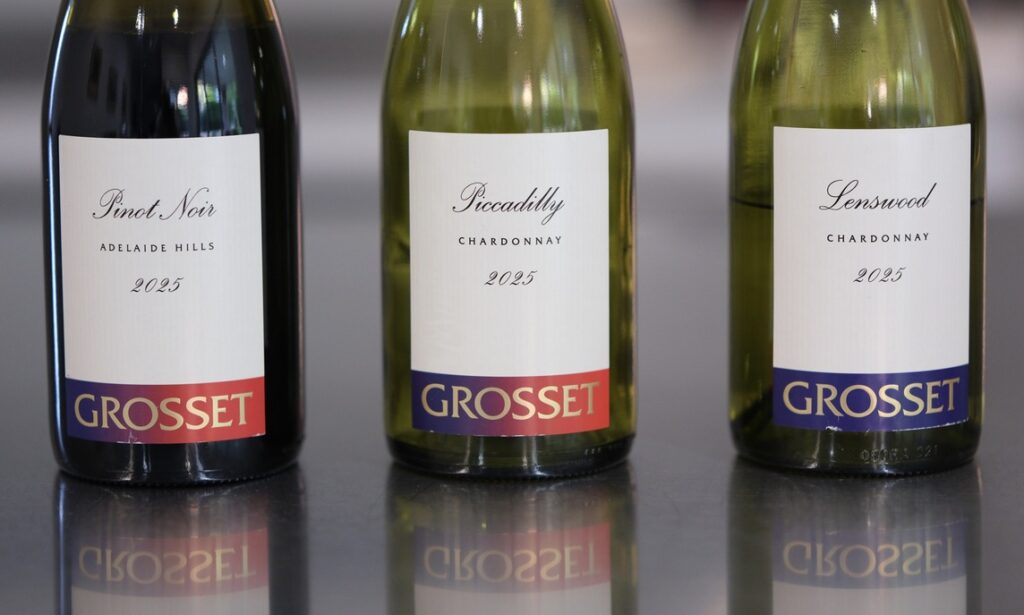
Grosset 2025 Rieslings

Barry Weinman | October 2025

Grosset needs no introduction to lovers of Australian Riesling, having long sat at the very pinnacle of Clare Valley Riesling, acting as a quality beacon for others to aspire to.

Over the last decade, wines from Tasmania and the Great Southern in particular (Porongurup, Mt Barker, Frankland River) have emerged as contenders for Australia’s best Riesling, but Jeffrey Grosset has not rested on his laurels, continuing to finesse his wines and taking advantage of ever-maturing vineyards.

And in 2025, the results are spectacular. In 2023 and 2024, the wine that impressed me most was the Alea, an atypical style for the Clare Valley and a wine that is irresistible drinking.

But this year, the wine that floored the panel was the Polish Hill. A contender for the best young Riesling I have ever tried and surely the best wine yet made under this label. An incredible wine!

REVIEWS

Grosset Alea Riesling 2025
Sublime nose that encompasses everything good about Riesling. Fragrant and floral, with citrus blossom and so much more. The palate is totally seamless and stunningly pure. Ethereal, this is the essence of Riesling. A gentle minerality runs the length of the palate, the acid a mere shimmer in the background, making for stunning drinking. The length and persistence of flavours are quite incredible. This is one of the most complete Rieslings that I have tasted at such a young age. Yes, it has the ability to age, but my recommendation is to try one now. You won’t be disappointed. 12.1% alc.
Drink: Now-2027 | 96 points | $50

Grosset Polish Hill Riesling 2025
For a wine that is as good as any I can remember, my tasting notes are quite sparse. Musk, talc, sherbet, lime juice and a touch of crème brûlée. The phenolics are a key component to this wine, as despite the fact that it is seamless, there is excellent textural grip. Dry, tight, pure, intense and with impressive length. A structured, subtly powerful wine that has a 20-year drinking window and needs time to show its best. Drinking a glass of this at the end of the tasting was pure nirvana! 12.3% alc.
Drink: Now-2050 | 97+ points | $85

Grosset Springvale Riesling 2025
This is very classical Clare Valley Riesling and is relatively closed and tight in comparison to both the Alea and the Polish Hill. Everything is in place, but it really needs time to slowly uncoil from its steely shackles and allow the fruit to shine. I must say though that while ageing is recommended, drinking this wine young with some freshly shucked oysters would be quite superb. 12.3% alc.
Drink: 2028-2038 | 95 points | $58

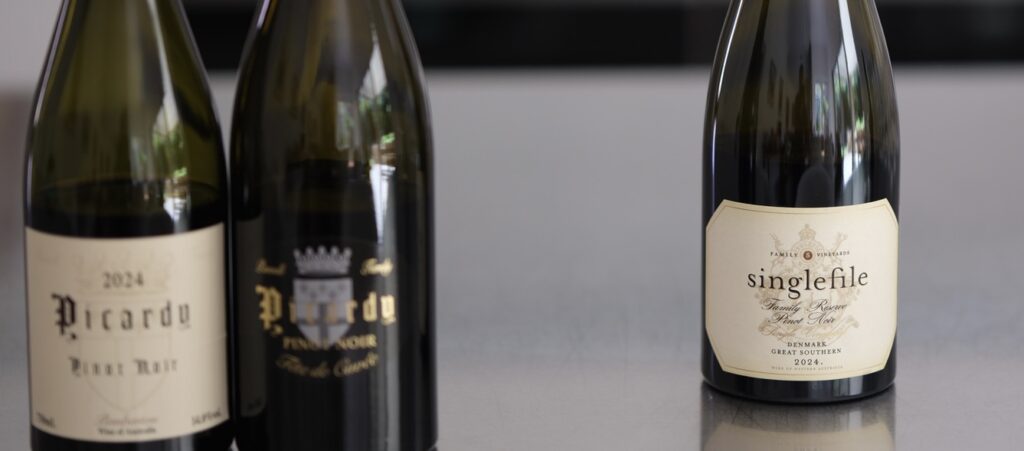
Singlefile Wines

Barry Weinman | 25th September 2025

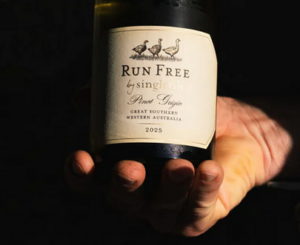
Singlefile Wines was co-founded in 2007 by geologists Phil and Viv Snowden, together with their daughter Pam and son-in-law Patrick Corbett. The family’s passion for wine was kindled during Patrick and Pam’s time living in Italy, which deepened their appreciation for exceptional wines.

After selling their consultancy, the Snowdens and Corbetts searched for the ideal site to establish a premium cool-climate vineyard, eventually settling on a property in Denmark, Western Australia. Drawing on their geological expertise, Phil and Viv selected a site in the Scotsdale Valley with established Chardonnay, Merlot, and Shiraz vines, originally planted in 1986. This property became the foundation for Singlefile’s acclaimed wines, especially their Chardonnay, which has become a hallmark of the estate.

From the outset, Singlefile has been a family-driven venture, with each member playing a key role: Patrick oversees wine production, Pam manages operations, and Phil and Viv maintain the vineyards and cellar door. The winery’s ethos centres on minimal intervention and a commitment to expressing the unique terroir of Denmark and the broader Great Southern region. Over time, Singlefile has earned a reputation for excellence, with its wines consistently recognised for quality and value. The estate’s resident geese, which famously waddle in single file, have become an endearing symbol of the winery’s character and sense of place.

Singlefile remains one of my favourite wineries in Australia, especially when you consider the value on offer.

REVIEWS

Singlefile The Pamela Riesling 2025
OMG. This is stunningly pure and quite perfect. The texture, power, intensity and presence is just spectacular. Seamless, silky. Oh so long and fine. Talc. This is both delicate and intense at the same time. One of the finest wines to come out of the Great Southern. The gentle phenolics are a highlight allowing the ripe fruit to shine. From a vineyard in the southern part of the Porongorups. Subtle. 12.1% alc.
96 points

Singlefile Fumé Blanc Sauvignon Blanc 2025
Fruit for this wine comes from the Wignalls vineyards in Albany, a very mature planting. This is very recognisable as Sauvignon Blanc, but also classically Singlefile in that there is very clever winemaking adding depth and texture. If anything, the worked components have been wound back a notch, allowing the fruit to take front and centre. With air, the fruit builds, as does the winemaking, giving the wine greater presence.

94 points

Singlefile Family Reserve Chardonnay 2024
This is very good indeed and something of a bargain! A very intense offering that has depth and layers to the fruit, supported by supple, sympathetic oak handling. Despite the intensity, it is actually quite shy and reserved at first glance, until the pineapple-tinged peachy fruit really builds depth and intensity in the glass. A superbly made wine that boasts innate power and great depth. Brilliant winemaking on show here, the texture is a real highlight. While this is drinking a treat already, I can’t help but feel that 5 years in the cellar will add even more to the package. Nine months in oak (one third new), regular bâtonnage, partial Malolactic fermentation. 13.4% alc.
Drink: Now-2032 | 96+ points | $63

Singlefile The Vivienne Chardonnay 2022
This is quite superb. A rich, powerful wine that has been given royal treatment. Viscous, textured, the oak building texture and depth, with a creamy, seamless finish. Great length of flavours. Held back in the winery to allow it to develop sufficiently in bottle to make for great drinking. Uniquely for the winery, this wine is still made by Mike Garland and uses a variety of picking windows, with early, middle and late picks giving the winemaker a range of blending materials to play with. The wine underwent wild fermentation, partial malolactic fermentation, spent five months on lees and used a variety of cooperages in the ageing process. 12.8% alc.
Drink: Now-2035 | 95 points

Singlefile Single Vineyard Cabernet Sauvignon 2023
Amazing fruit here that is ripe, dense and powerful and initially presenting in the blueberry spectrum. The palate is seamless, silky and very, very fine, with excellent length and depth, and tremendous persistence of flavours. A complete wine, where the exquisite winemaking has resulted in a wine that is very polished, with the oak (30% new), tannins and acid management all seamlessly integrated into the whole package. A bargain! 14.2% alc.
Drink: Now-2035 | 95 points | $40

Singlefile Malbec 2024
Super ripe, plush and succulent, this wine is a riot of flavours. The juicy, succulent fruit complemented by gentle spice, coffee and chocolate notes. This is not trying to be a blockbuster wine. Rather, it is a fun wine full of life and personality that is perfect for a spring BBQ or lazy Sunday afternoon. 14.7% alc.
Drink: Now-2028 | 93 points

Singlefile Family Reserve Pinot Noir 2023
This is an altogether more serious wine that combines ripe though restrained cooler fruit and Burgundy-like structure in a compelling package. While it is not as immediately accessible as the Single Vineyard, it has more structure and depth and is more impactful on the finish. The fruit is in the cherry spectrum, and is complemented by fine, texturing tannins and oak. Ultimately, I would like to see this in a year or two, but it still represents great drinking now, perhaps with pulled pork belly sliders. From the winery’s Denmark vineyard planted to clones 777 and D5V12, aged 18 months in French oak (35% new). 13.9% alc.
Drink: Now-2030 | 95+ points | $63

Singlefile Single Vineyard Pinot Noir 2024
Another very fine wine that perfectly straddles the boundary between ripe fruit and savoury structure. The wine is quite deceptive, as on first taste it is supple and slurpable, with the ripe fruit the feature. But once swallowed, the sophisticated structure makes an impact, adding texture and depth and a degree of seriousness that belies its drinkability. Seamless and most impressive. From Mt Barker, the wine spent 7 months in 225L French oak barriques (30%new). 14.2% alc.
95 points

Singlefile Clement V 2024
Gee. The fruit here is something else, positively exploding from the glass with waves of pretty, ripe fruit. On the palate, the fruit continues, but here, the structural components serve to act as a perfect counterpoint to the cherry and plum notes. Fine and lithe, with gentle herbal notes that add interest. How this is succulent and near seamless, yet textured and structured is beyond me. Great drinking now, but likely to gain more depth with 3-5 years in the cellar (or more). The fruit for this wine comes from the Riversdale vineyard in Frankland River. 14.0% alc.
95 points | $38

Dukes Vineyard

Barry Weinman | October 2025

The original Duke vineyards were planted in 1999 with an initial 9 hectares under vine. Since Ben Cane and Sarah Date purchased the operation in 2022, there have been significant efforts being put into the vineyard to improve quality. For example, they have embarked on a project to completely revise the trellising system, starting with Riesling and working through the vineyard.

This has resulted in significantly smaller grape bunches (of high quality), with yields maintained due to the increase in the number of bunches per vine.

REVIEWS*

* Please note that the wines were not tasted blind, so the points are indicative.

Duke’s Magpie Hill Riesling 2022
Perfumed, but this is also about minerality and structure, along with the pristine fruit. The mouthfeel and texture are superb. There is an almost creamy texture which is most appealing. The length and persistence and sheer presence are quite stunning.
96 points

Duke’s Magpie Hill Riesling 2023
First vintage where Ben had complete control. This is a touch more rounded and fleshier, presenting quite differently to the 2022. More approachable and great drinking now. Barrel ferment for 10% contribute to the texture.
95 points

Duke’s Magpie Hill Riesling 2024
There seems to be a step up in intensity on the nose, and there is a purity to the fruit here that elevates the palate. Lime, florals and fragrant talc all come to mind. Behind this, there is intrinsic power and intensity and scintillating acidity. A great effort.
96 points | $45

Duke’s Magpie Hill Riesling 2025
If anything, this is even better than the 2024. There is a step up in perfume with this wine. The floral characters are spectacular, with jasmine and sherbet highlights. The palate is seamless and silky, the acid invisible and the phenolics an invisible accompaniment to the fruit adding mouthfeel and texture. This has echoes of Polish Hill and is just as impressive. With air, this gets even more perfumed and is quite spectacular.
97 points | $48

Duke’s Margaret River Chardonnay 2023
Fruit from the Victory Point vineyard. This has lovely fruit, where the aromatics have been turned down, while the texture is a highlight, with subtle minerality running across the palate. There is a deliberate focus on cellarbility, and this is demonstrated when the wine gets some air. The ripe, white/donut peach-like fruit really builds. Hand-picked. Bunch pressed to barrel undergoing wild ferment and partial malolactic fermentation. The wine was oak aged (30% new 300L Mercury barrels).
95+ points | $66

Duke’s Magpie Hill Reserve Shiraz 2022
Perfumed and pretty. Pepper? Yes, but there is so much more here. Fine, elegant and yet intense and powerful. Plum, tar, cherry, spice, texture to the max. The power really builds as this sits in the glass. Cool climate. Fantastic wine. Great intensity and power. But the purity is what makes this special. So, so pretty and fine. 50% new oak.
96 points | $46

Duke’s The Whole Bunch Shiraz 2022
While two-thirds of the fruit for this wine underwent whole bunch fermentation, this defies expectation as there are none of the carbonic maturation characters that I would have expected with such a high level of whole-bunch. The depth and texture here are a highlight. The fruit was kept chilled for 3 days on dry ice prior to fermentation, apparently to aid tannin maturation and the resulting wine was oak aged (30% new). Great fruit. Fantastic tannin management. Such an approachable wine that will provide great drinking pleasure over the next 5 years.
$66

Duke’s Magpie Hill Reserve Cabernet 2022
Wonderful perfume. Blueberry, violet, perfume. Supple, textured and very fine. This is perfectly ripe, but very cool climate. The tannins are incredibly fine, the oak invisible. The length of flavours is outstanding, as is the persistence. This must surely be one of the finest cool climate Cabernets in Australia.
96+ points | $46

Duke’s Magpie Hill Reserve Cabernet 2023
More intense and almost pungent, with very cool climate Cabernet fruit characters. A clone of Cab from the Barossa. Early ripening. A powerful, dense, textured wine that needs a decade or more to reach its drinking window.

Duke’s The First Cab Cabernet Sauvignon 2022
Houghton clone, from the original Forest Hill research station plantings. I like this just as much as the Magpie Hill, though it is very different. The fruit is fleshier and more opulent, and if anything, more impressive. The mouthfeel and texture are quite spectacular. So, so impressive.
97 points | $66

Sittella in Focus

Barry Weinman | September 2025

The current releases from Sittella continue to reinforce their reputation for delivering high-quality wines at very affordable prices. And as the range has expanded, so too has the versatility that the wines provide.

For example, the 2024 Avant-Garde Chardonnay makes for excellent early drinking, whilst the Reserve is age-worthy and demanding of patience.

And the same is true for the Arsenal and Berns Reserve Cabernets. The latter really needs cellaring while the former is already a great drink.

Speaking of great drinks, the new Malbec is an absolute blast, packed full of juicy fruit.

REVIEWS

Sittella Reserve Chardonnay 2024
On first impression, this was quite reserved and shy, only hinting at potential. With air though, the ripe peach-like fruit is slowly coaxed from the glass. After 15 minutes, this really started to shine, the fruit opening and evolving, while the creamy texture on the finish proved a real highlight. The oak is fine and texturing, and while nicely integrated, is palpable on the palate at this early stage. And the wine was much better drinking on day two. 13% alc.
Drink: 2028-2034 | 95 points | $40

Sittella Avant-Garde Chardonnay 2024
If I had to use one word for this wine, it would be “polished”. The fruit is quite superb, with layers of stone fruit building on both the nose and palate. And the palate is near seamless, with only a touch of textural grip building on the very close, putting a ripple through the finish. But this is merely a factor of youth, and in time, the texture will settle back and allow the fruit to speak more clearly. The flavours and textural components linger on the finish for more than a minute, gaining a touch of honey on the close. A captivating wine of great appeal. 13.0% alc.
Drink: Now-2030 | 95 points | $33

Sittella Avant-Garde Malbec 2024
This wine is all about the fruit. Vibrant, lively and downright delicious, the use of some whole bunch fermentation no doubt helping to preserve the berry characters. There is an explosion of berry characters on the palate, though this is supported by a touch of tar, leather and spice. Brambly fruit also comes to mind. On the finish, the fine tannins really build (in a positive way), ensuring that the lively fruit is balanced on the close. These tannins will also help it pair nicely with hearty winter fare, providing the cut through for richer dishes. With air, the structure of this wine became more pronounced, highlighting a serious aspect to the wine. Worth trying.
Drink: Now-2030 | 94 points | $50

Sittella Berns Reserve Cabernet Sauvignon 2022
Oh my, this is good, with the wine taking on a slightly cooler character. There is an ethereal nature to the brambly fruit, though at this early stage, the fine though prodigious tannins make their presence felt on the finish. That said, the fruit then builds on the finish, almost magically coating the tongue from back to front, and continues to linger for an age. A lovely wine that will reward cellaring for a decade or more. A belter of a wine. 14.5% alc.
Drink: 2030-2040 | 95 points

Sittella The Arsenal Cabernet Sauvignon/Malbec/Cabernet Franc 2023
This is an impressive wine. Fine fruit, polished winemaking and supple oak come together in a more accessible style than the Berns Reserve. This is a case of less being more as, despite not being the most powerful or biggest wine in the tasting, it has presence and, importantly, excellent drinkability. Given its sheer drinkability, this is one of those wines that is likely to be drunk young, therefore missing the best that it has to offer if you can be patient. 14.5% alc.
Drink: Now-2038 | 95 points | $39